
Oily skincare routine without over-layering
An oily skincare routine can stay simple: gentle cleanser, one optional light serum or treatment, lightweight moisturizer, and morning sunscreen. Oily skin still needs comfortable cleansing and a usable final routine; stripping or stacking more products is not automatically helpful.
A simple oily skincare routine order
Morning can be cleanse or rinse, optional lightweight serum, gel-lotion moisturizer if needed, and sunscreen. Night can be cleanser, one chosen leave-on step, and moisturizer. Product labels and comfort decide whether a step belongs.
Use the serum-before-moisturizer guide when textures are confusing. A routine of three to five steps is often easier to repeat than a crowded shelf.
Texture and finish choices
Look for fluids, gels, and light lotions when richer creams feel greasy, but avoid treating labels such as “oil-free” as guarantees. Sunscreen finish varies widely; test how it wears over the preceding layers.
Blotting, shine, or a humid day does not prove the routine is medically wrong. Persistent discomfort, rash, or painful lesions belong with a qualified clinician rather than a product-stacking experiment.
Avoid over-cleansing and constant changes
Harsh scrubbing, repeated washing, and adding several active products at once can increase tightness or stinging. Change one step, patch test when practical, and give the routine enough consistent use to evaluate comfort.
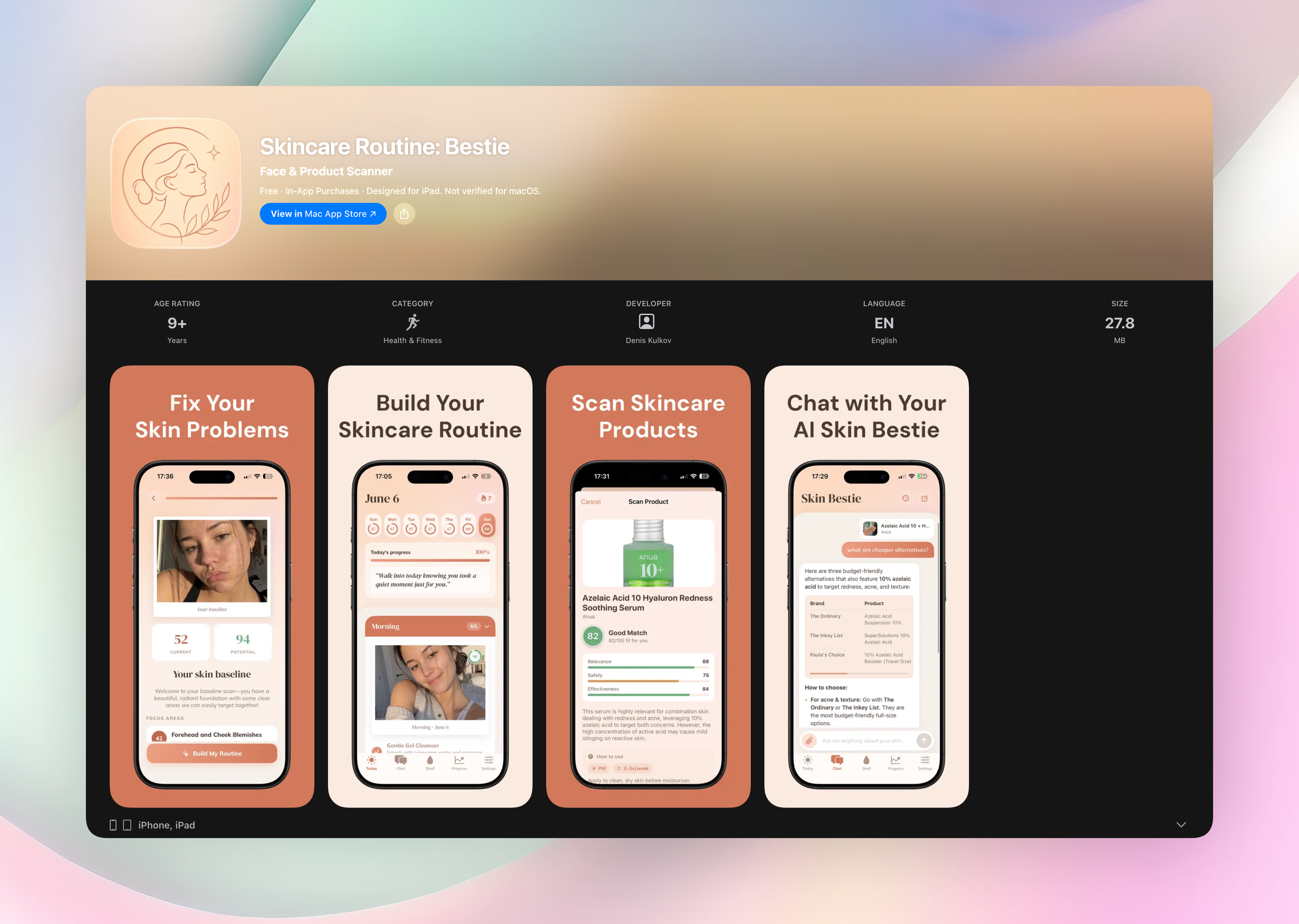
Skincare Routine records a personal AM/PM order and completion using existing products. The log can reveal whether an increasingly complex routine is actually being followed.
Practical routine checks
Apply one change at a time. Keep the rest of the routine stable, note the date, and assess comfort before adding another product. This makes oily skincare routine guidance usable without turning normal day-to-day variation into a diagnosis.
Patch testing on a small area can reduce surprise, but it cannot guarantee that a formula will suit the entire face. Follow the label, avoid damaged skin unless directed, and stop when persistent stinging, swelling, or rash appears.
Amount matters for texture and pilling. More layers or larger amounts do not prove a routine is more effective. Use the labeled amount where one is given, then reduce optional layers if sunscreen, moisturizer, or makeup no longer sits comfortably.
Season, climate, travel, and indoor heating can change how products feel. Adjust texture or optional steps without assuming the skin has permanently changed “type.” Keep cleanser, moisturizer, and morning sunscreen roles clear while experimenting.
Cosmetic routine advice cannot diagnose acne, eczema, rosacea, allergy, or infection. Persistent pain, swelling, bleeding, widespread rash, or eye involvement needs qualified medical assessment rather than another online layering rule.
Record both use and non-use. A product that appears in the planned routine but is repeatedly skipped may be too irritating, inconvenient, or redundant. That is useful information when simplifying the next version.
Read the entire label before assigning a product a place. Directions such as rinse-off, use on dry skin, avoid the eye area, apply only at night, or follow with sunscreen are more specific than a generic thin-to-thick chart. When two directions conflict, use the products in separate routines until the manufacturer or a qualified professional clarifies them.
Separate a product’s name from its function. Toner, essence, ampoule, serum, lotion, cream, sleeping mask, and balm are loose market categories with overlapping textures. Ask whether the formula cleanses, hydrates, exfoliates, moisturizes, protects from sun, or adds an optional cosmetic treatment. Two different names can still duplicate one job.
Pilling is usually a formulation and application problem, not evidence of a dangerous ingredient reaction. First reduce the amount, stop rubbing after the layer begins to set, and remove one optional film-forming product. If there is burning, swelling, hives, or persistent redness instead, treat that as irritation and stop rather than troubleshooting it as pilling.
Keep hygiene basic. Wash hands before applying leave-on products, close containers, avoid sharing applicators, and follow the period-after-opening or expiration information supplied by the brand. A changed smell, color, texture, or contaminated package is a reason to stop using the product rather than trying to rescue the routine.
Judge sunscreen separately from optional cosmetic steps. It needs an even final film and label-directed application; a complicated stack that makes sunscreen pill or discourages use is not serving the morning routine. Simplify underneath it, allow wet layers to settle, and choose textures that work together rather than moving sunscreen earlier.
Take comparison photos only if they help, using similar lighting, distance, camera, and time of day. Daily close inspection exaggerates ordinary variation and makes gradual changes hard to judge. Notes about comfort, stinging, pilling, and actual use are often more reliable for routine decisions than a dramatic single photograph.
Budget and replacement timing belong in routine design. Opening several similar products at once makes expiration harder to track and encourages constant switching. Finish or deliberately retire a redundant product before adding another, unless irritation or professional advice gives a clear reason to stop.
FAQ
Should oily skin use moisturizer?
Many people prefer a light moisturizer, especially when cleansing or leave-on products feel drying. Texture choice is personal.
How often should oily skin be cleansed?
Often once or twice daily, but comfort, activity, makeup, and product directions matter. More washing is not automatically better.
Can oily skin use face oil?
It can, but it is optional and may feel too rich. Patch test and use a small amount if you choose to try one.
Free Skincare Routine tools
- Skincare Expiration Date CheckerTurn the 6M, 12M or 24M open-jar symbol into a calendar date and use whichever limit comes first.
- Skincare Layering TimerChoose the number of routine steps and the pause you want between them. No prescriptive wait time and no signup.
- Skincare Routine TrackerBuild an AM and PM checklist, mark each step complete and keep progress in this browser. No account or product advice.
- Sunscreen Supply CalculatorPlan a sunscreen supply using only the quantities you enter. The calculator does not recommend an amount, SPF or schedule.