
Skincare routine dry-feeling skin can tolerate comfortably
A skincare routine dry-feeling skin can tolerate usually uses gentle cleansing, optional hydrating layers, a richer moisturizer, and morning sunscreen. At night, a face oil or occlusive can go last if it improves comfort; fewer well-layered products may work better than many wet layers.
skincare routine dry: the practical framework
Order richer textures correctly
Cleanse without hot water or aggressive scrubbing, then apply watery hydrating products if used. Follow with moisturizer while skin is comfortable, and place oil or an occlusive last. Morning sunscreen remains the final skincare layer.
The same skincare routine order applies across skin types; texture, frequency, and optional steps change.
Layer hydration without crowding the routine
Several toners and serums are not required. One humectant layer beneath a cream may be enough. If layers sting, pill, or make sunscreen difficult to apply, remove optional products and assess the simpler version.
Season, indoor heating, cleansing habits, and product changes can affect how skin feels. Do not use “dry” as a diagnosis for persistent cracking, rash, or inflammation.
AM and PM example
Morning: rinse or gentle cleanse, optional hydrating serum, moisturizer, sunscreen. Night: remove makeup or sunscreen, gentle cleanse, hydrating layer if desired, richer cream, optional oil or occlusive.
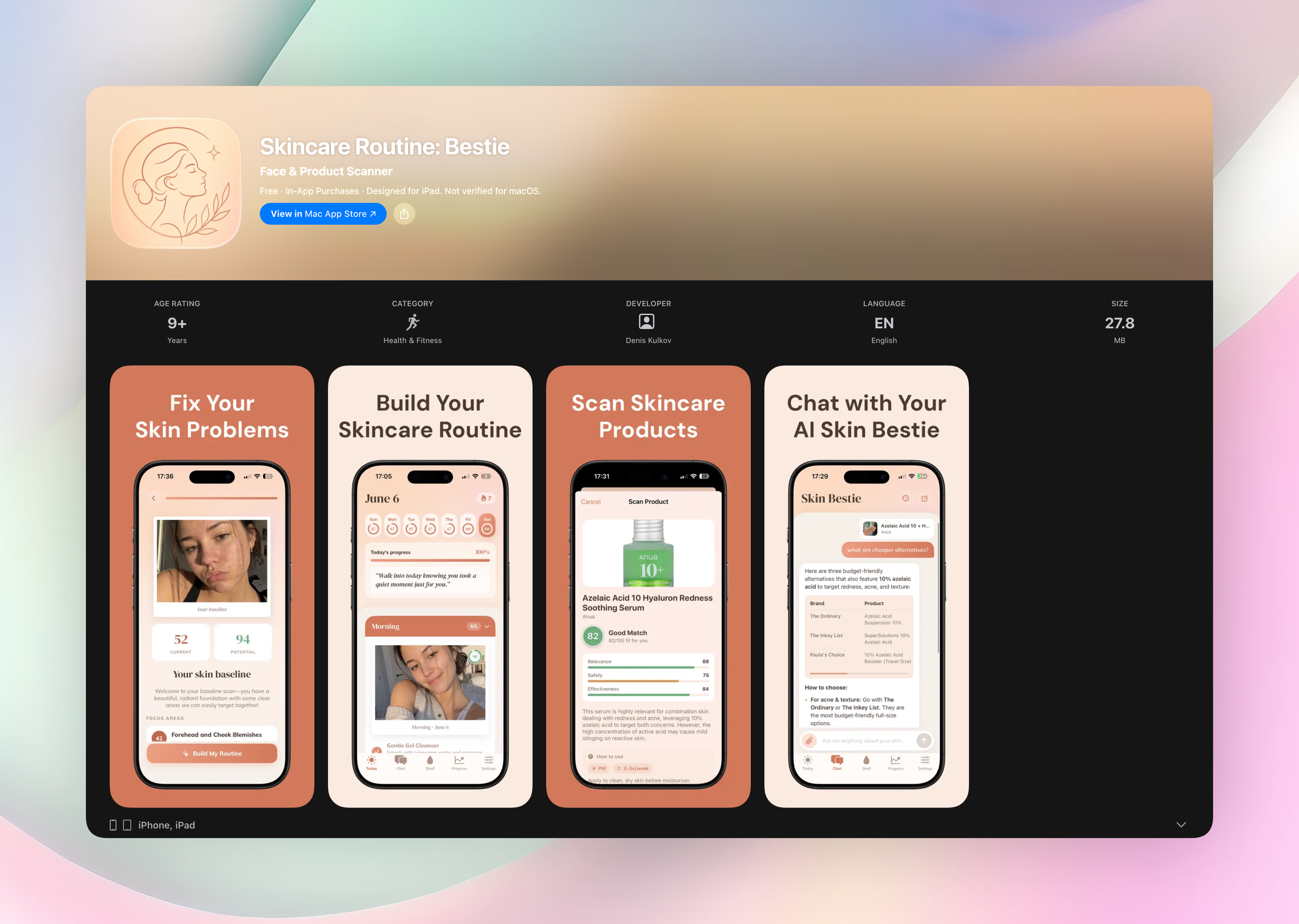
Skincare Routine orders and tracks those AM/PM steps with the products already owned, helping distinguish a routine change from inconsistent use.
Practical routine checks
Apply one change at a time. Keep the rest of the routine stable, note the date, and assess comfort before adding another product. This makes skincare routine dry guidance usable without turning normal day-to-day variation into a diagnosis.
Patch testing on a small area can reduce surprise, but it cannot guarantee that a formula will suit the entire face. Follow the label, avoid damaged skin unless directed, and stop when persistent stinging, swelling, or rash appears.
Amount matters for texture and pilling. More layers or larger amounts do not prove a routine is more effective. Use the labeled amount where one is given, then reduce optional layers if sunscreen, moisturizer, or makeup no longer sits comfortably.
Season, climate, travel, and indoor heating can change how products feel. Adjust texture or optional steps without assuming the skin has permanently changed “type.” Keep cleanser, moisturizer, and morning sunscreen roles clear while experimenting.
Cosmetic routine advice cannot diagnose acne, eczema, rosacea, allergy, or infection. Persistent pain, swelling, bleeding, widespread rash, or eye involvement needs qualified medical assessment rather than another online layering rule.
Record both use and non-use. A product that appears in the planned routine but is repeatedly skipped may be too irritating, inconvenient, or redundant. That is useful information when simplifying the next version.
Read the entire label before assigning a product a place. Directions such as rinse-off, use on dry skin, avoid the eye area, apply only at night, or follow with sunscreen are more specific than a generic thin-to-thick chart. When two directions conflict, use the products in separate routines until the manufacturer or a qualified professional clarifies them.
Separate a product’s name from its function. Toner, essence, ampoule, serum, lotion, cream, sleeping mask, and balm are loose market categories with overlapping textures. Ask whether the formula cleanses, hydrates, exfoliates, moisturizes, protects from sun, or adds an optional cosmetic treatment. Two different names can still duplicate one job.
Pilling is usually a formulation and application problem, not evidence of a dangerous ingredient reaction. First reduce the amount, stop rubbing after the layer begins to set, and remove one optional film-forming product. If there is burning, swelling, hives, or persistent redness instead, treat that as irritation and stop rather than troubleshooting it as pilling.
Keep hygiene basic. Wash hands before applying leave-on products, close containers, avoid sharing applicators, and follow the period-after-opening or expiration information supplied by the brand. A changed smell, color, texture, or contaminated package is a reason to stop using the product rather than trying to rescue the routine.
Judge sunscreen separately from optional cosmetic steps. It needs an even final film and label-directed application; a complicated stack that makes sunscreen pill or discourages use is not serving the morning routine. Simplify underneath it, allow wet layers to settle, and choose textures that work together rather than moving sunscreen earlier.
Take comparison photos only if they help, using similar lighting, distance, camera, and time of day. Daily close inspection exaggerates ordinary variation and makes gradual changes hard to judge. Notes about comfort, stinging, pilling, and actual use are often more reliable for routine decisions than a dramatic single photograph.
FAQ
Should face oil go before moisturizer?
Usually after moisturizer because oil is richer and more occlusive. Product-specific instructions can differ.
How many hydrating serums do I need?
There is no required number. One compatible layer—or none, if moisturizer is enough—can keep the routine easier to assess.
When should dry-feeling skin see a dermatologist?
Seek professional care for persistent, painful, cracked, bleeding, intensely itchy, or inflamed skin rather than repeatedly changing cosmetics.
Free Skincare Routine tools
- Skincare Expiration Date CheckerTurn the 6M, 12M or 24M open-jar symbol into a calendar date and use whichever limit comes first.
- Skincare Layering TimerChoose the number of routine steps and the pause you want between them. No prescriptive wait time and no signup.
- Skincare Routine TrackerBuild an AM and PM checklist, mark each step complete and keep progress in this browser. No account or product advice.
- Sunscreen Supply CalculatorPlan a sunscreen supply using only the quantities you enter. The calculator does not recommend an amount, SPF or schedule.